Fashion and apparel brands are moving from WooCommerce to Shopify in 2026 because scaling a modern eCommerce business now requires more than just flexibility it requires speed, stability, and operational simplicity. As mobile traffic, multi-channel selling, and peak-season demand continue to grow, many apparel brands are finding WooCommerce increasingly difficult and expensive to maintain at scale. Shopify offers faster mobile performance, a more reliable checkout experience, easier infrastructure management, and a stronger ecosystem for inventory, payments, and integrations. For growing fashion brands, the shift is less about following trends and more about building a platform that supports long-term growth without constant technical overhead.
Your customers may never see your APIs, but they feel their impact every time a page loads slowly, a payment takes too long, or an order update gets delayed. In today’s competitive e-commerce landscape, speed is directly connected to customer satisfaction, conversions, and brand loyalty. A fast and responsive platform keeps shoppers engaged, while slow APIs quietly drive them away.
Discover how Shopify brands can increase repeat purchases and improve customer retention in 2026. This blog explains why customers don’t return to most online stores and shares practical strategies such as personalization, loyalty programs, mobile optimization, post-purchase experience improvements, and checkout enhancements to turn first-time buyers into loyal repeat customers.
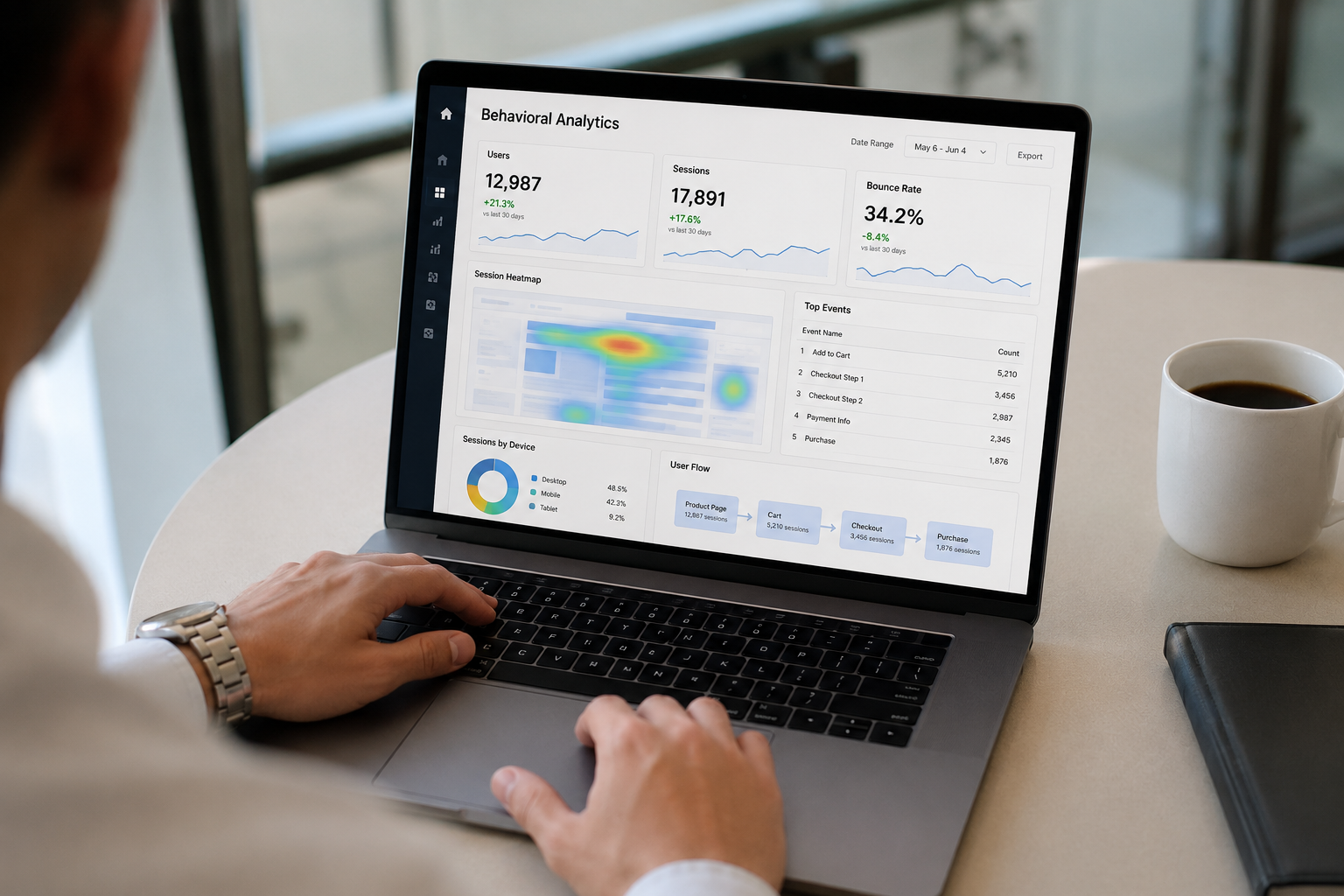
Checkout abandonment is one of the biggest challenges in eCommerce, directly impacting revenue and customer acquisition ROI. Behavioral analytics helps businesses understand exactly how users interact with their checkout process by tracking clicks, scrolling patterns, session recordings, and form behavior. Instead of making assumptions, store owners can identify friction points such as confusing layouts, slow load times, unnecessary form fields, and trust issues that prevent customers from completing purchases. By using behavioral insights, eCommerce brands can optimize checkout experiences, reduce cart abandonment, and significantly improve conversion rates.
In today’s competitive eCommerce landscape, focusing only on short-term returns like ROAS is no longer enough to build a sustainable business. While ROAS measures how effectively your ads generate immediate revenue, it fails to capture the bigger picture how valuable a customer is over time. Customer Lifetime Value (CLV) shifts the focus from one-time transactions to long-term relationships, helping brands understand the true worth of each customer. By prioritizing CLV, businesses can make smarter decisions around marketing, retention, and customer experience, ultimately driving consistent growth and profitability in 2026 and beyond.
In today’s connected commerce landscape, a nopCommerce store rarely operates in isolation. It must securely communicate with payment gateways, ERPs, CRMs, mobile apps, logistics providers, and marketplaces like Amazon and Flipkart. A custom API gateway acts as a centralized layer that manages authentication, routing, security, monitoring, and integration logic between nopCommerce and these external systems. By building a tailored API gateway, businesses gain better control over data flow, improve performance, enhance security, and create a scalable foundation for future growth.
Creating effective product bundles in eCommerce is a strategic approach to increasing Average Order Value (AOV), improving customer experience, and driving higher conversions without relying on heavy discounts. Instead of selling products individually, smart bundling groups complementary items together to solve a complete need, reduce decision fatigue, and increase perceived value. When designed around real customer behavior and buying intent, product bundles encourage customers to explore more of your catalog, spend more per order, and feel confident in their purchase. This guide will walk you through proven methods, bundle types, and practical steps to help you build bundles that are valuable, relevant, and profitable.
Subscription flexibility has become a critical growth lever for modern eCommerce brands. As customer acquisition costs continue to rise, businesses can no longer rely on one-time purchases to drive sustainable revenue. Flexible subscription models — that allow customers to pause, skip, swap products, or adjust delivery frequency — remove friction from recurring purchases and build long-term trust. When customers feel in control of their subscriptions, they stay longer, spend more, and engage more frequently with the brand. This directly increases Customer Lifetime Value (CLV) while reducing churn, support costs, and reliance on paid acquisition. In today’s competitive landscape, subscription flexibility is not just a convenience feature — it is a strategic advantage that turns retention into predictable, scalable growth.
AI-driven product recommendations are transforming how eCommerce brands increase revenue—without spending more on marketing. By showing personalized suggestions, frequently bought together items, and smart upsells, businesses see higher AOV, better conversions, and stronger customer loyalty. This blog explains the psychology, real statistics, best placements, and real-world examples that prove why AI recommendations are now essential for modern eCommerce growth.
Personalization has become a core part of every successful eCommerce experience. Today’s shoppers expect brands to understand their preferences, anticipate their needs, and show them products that feel relevant — not random. When a store tailors recommendations, offers, and content to each visitor, it instantly creates a smoother, more meaningful shopping journey. The result is simple: higher conversions, bigger orders, and stronger customer loyalty. Personalization doesn’t just improve the experience — it transforms how customers connect with your brand.



-blog.png)


 -new-1.png)
 blog img-1.png)